
Ontario man arrested after phone number linked to organized crime group; he says his identity was misused
An Ontario man faces a criminal investigation over a phone number tied to an organized criminal group, and says someone else used his identity without his knowledge.
Translated from Arabic. Read the original بالعربية
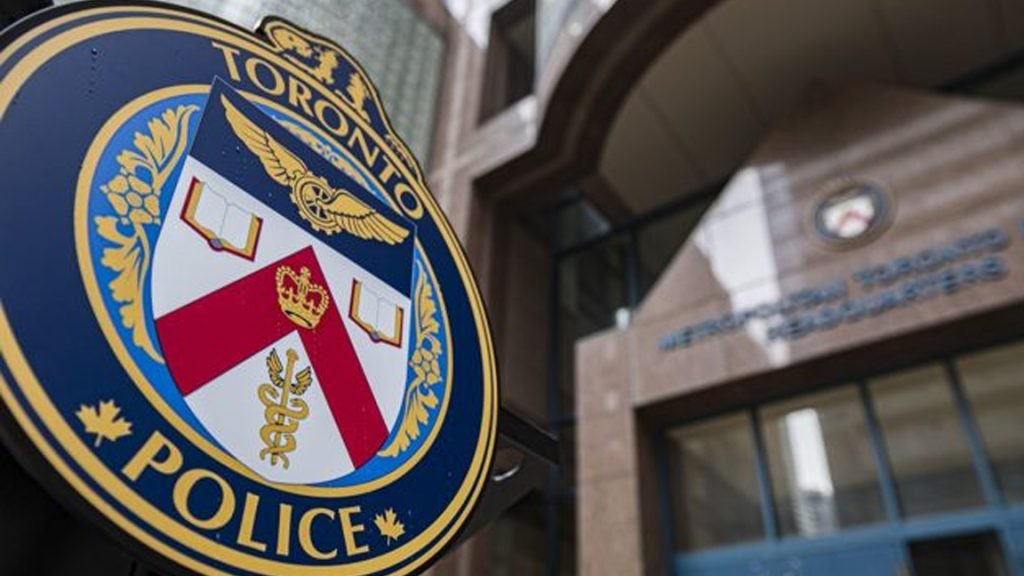
PEEL — A man was arrested after police linked a phone number to an organized criminal group, while the man maintains that someone else used his identity without his knowledge.
The case raises questions about the consequences of identity theft and the risks people face when their personal information is used in illegal activity.
It also highlights the importance of verifying who actually uses the means of communication tied to criminal investigations.
When identity theft becomes a criminal case
The risks of identity theft are not limited to taking money or obtaining bank loans using other people's information.
Fraudsters may use personal information to open accounts or sign up for telecommunications services in the names of people who have no connection to the activities under investigation.
Such cases can leave the holders of that information facing complicated legal proceedings, requiring a review of documents, records and digital evidence to determine actual responsibility.
The man's statement that his identity was used without his consent is an account that needs to be verified in light of the available evidence.
Challenges of investigating digital crime
Peel Regional Police officials have previously told a public safety committee of the Canadian Parliament about the difficulties of investigating crimes that make use of modern means of communication.
They explained that identifying the holders of accounts and phone numbers linked to suspicious activity can take a long time.
These challenges grow with the use of digital platforms and encrypted messaging services in extortion, fraud and organized crime cases.
However, identifying the name of the person who holds a subscription does not necessarily establish the identity of the person who actually used the service.
Growing concern over organized crime
Peel Regional Police are stepping up their efforts against criminal networks active in the Greater Toronto Area.
In May, police announced the arrest of 17 people as part of an investigation into a network accused of targeting business owners and members of the South Asian community.
According to the police's official statement, the investigations involved incidents of extortion, threats and violence.
Another case shows the danger of identity theft
Ontario recently saw a separate case involving a North York man who said someone used his personal information to buy and finance a truck in his name.
The man found himself facing financial obligations of more than $125,000 for a vehicle he did not buy.
The incident shows how the misuse of personal documents can lead to major financial and legal harm, even when the owner of the identity took no part in the fraudulent activity.
How residents can protect their personal information
The risk of identity theft can be reduced by avoiding sharing photos of identity documents with untrusted parties, and by regularly reviewing bank accounts and credit reports.
People should also watch for unfamiliar bills or notifications about new accounts being opened with telecommunications companies and financial institutions.
If an unauthorized subscription is discovered, it is advisable to contact the company concerned directly and keep correspondence and documents related to the incident.
Victims can also report to police and to the Canadian Anti-Fraud Centre, to document the incident and help the investigation.
The need to distinguish between suspicion and conviction
An arrest as part of a criminal investigation is different from a conviction.
Responsibility for assessing the evidence and determining a person's connection to criminal activity lies with the relevant authorities and the courts.
Subscription records, identity verification documents and other evidence may help in assessing claims of impersonation.
However, identity theft cannot be considered established in the man's case simply because he says he did not use the number in question.
The details of the charges and court proceedings, and the police position on his account, still require further confirmation.
The case highlights the need to protect personal information, alongside improving identity verification procedures at institutions that provide financial and digital services.
It also underlines the importance of not rushing to judgment about people whose names appear in investigations, before legal proceedings are completed and the evidence in each case has been examined.
More from Hala Canada
- As Trump draws closer to China and Russia, Canada and Japan move to build new partnerships
- Labour board sides with employee who said God told him not to get COVID-19 vaccine
- Canada raises required wages for temporary foreign workers in 414 occupations
- York police recover 37 stolen trucks and trailers worth $3.6 million in Brampton
- Former Ontario minister Jill Dunlop declines to answer questions on student aid fraud concerns
- 94.2% of Ontario education workers back strike mandate as talks near