
Former Ontario minister Jill Dunlop declines to answer questions on student aid fraud concerns
Political debate over Ontario's student aid program is growing after former minister Jill Dunlop declined to answer questions about suspected fraud and warnings dating back to 2023.
Translated from Arabic. Read the original بالعربية
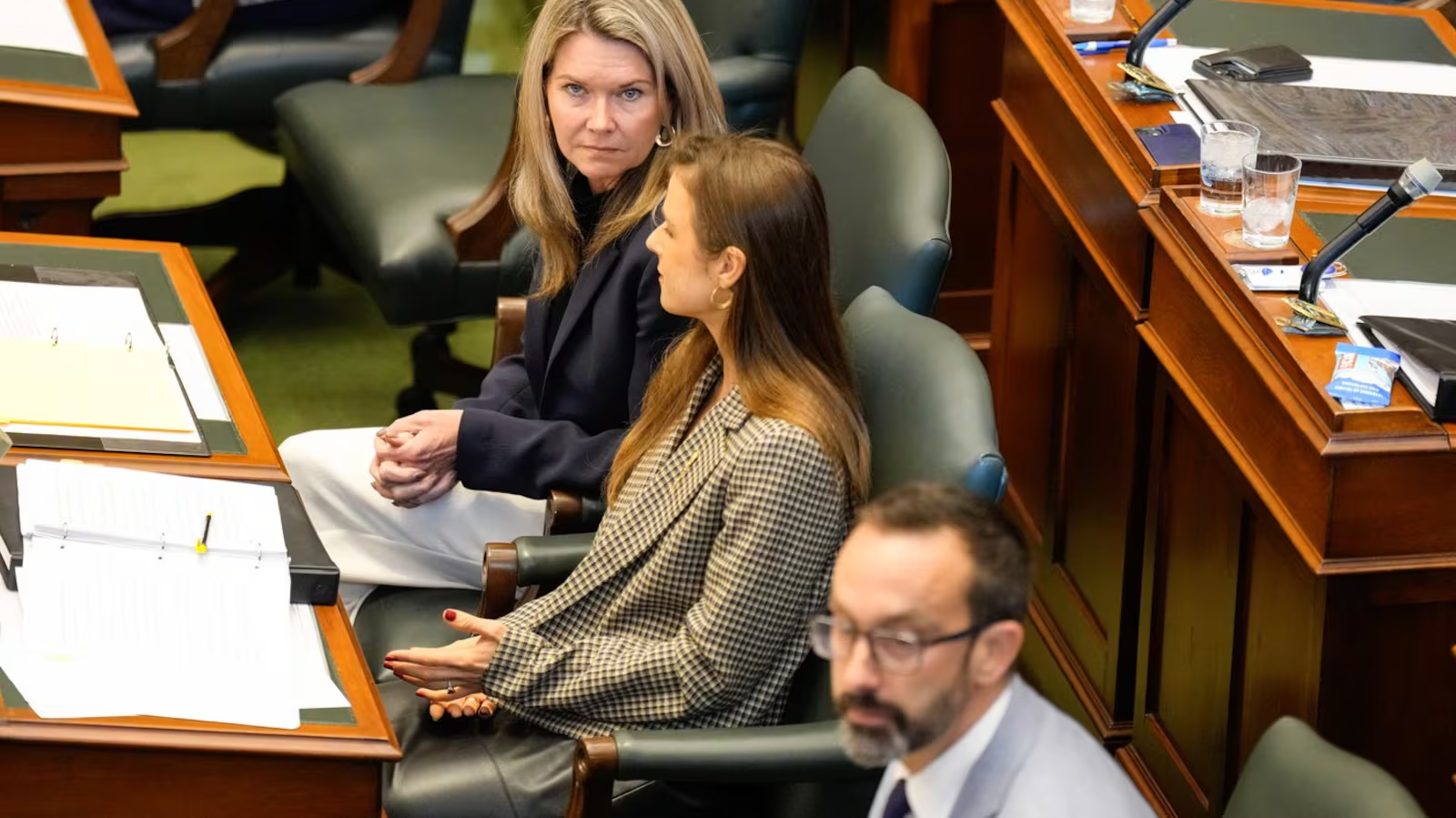
TORONTO — Political controversy has intensified in Ontario over the management of the student financial assistance program, after former Minister of Colleges and Universities Jill Dunlop declined to answer questions about the warnings the government received while she was in charge.
The developments come as Doug Ford's government reviews how private education is funded, amid suspicions of fraud that have been referred to the Ontario Provincial Police and the suspension of payments that students rely on to continue their studies.
Former minister refers questions to her successor
Dunlop held the post-secondary education portfolio for three years, until 2024. She is currently Minister of Emergency Preparedness and Response.
When reporters asked her on Thursday about the student aid file, she referred their questions to the current minister, Nolan Quinn, without explaining the decisions made during her time at the ministry.
Quinn also responded to questions that opposition members directed at Dunlop in the Legislative Assembly of Ontario.
Warnings dating back to 2023
Career Colleges Ontario says it raised concerns about the rapid growth in aid applications at some institutions during four meetings with the government in 2023.
The opposition is calling for an explanation of the steps the ministry took at the time, particularly because a number of institutions saw exceptional increases in funding applications in the following years.
Documents that emerged in a court dispute indicate that the association told the bodies responsible for monitoring compliance about indicators of suspicious activity as early as January of that year.
However, the existence of these warnings does not in itself prove that fraud occurred or that any minister bears personal responsibility.
Figures show rising spending
Data discussed in the provincial legislature showed that grants to students at private career colleges rose from about $554 million in the 2023-2024 school year to $994 million the following year.
This sector accounted for about 95 per cent of the annual increase in grants.
Students at just seven career colleges received about $385 million, an amount equal to the grants provided to students at all of the province's publicly assisted colleges over the same period.
These figures do not mean that all of the amounts mentioned were spent unlawfully, as determining actual violations remains one of the aims of the investigations.
Opposition calls for two ministers to resign
Interim Liberal Leader John Fraser called for Dunlop and Quinn to resign, holding the government responsible for the harm done to students.
Ontario NDP Leader Marit Stiles also called for the former minister to be held to account for her handling of the file.
For his part, Quinn said his government has conducted more than 3,200 individual investigations related to student aid since 2020 and has brought in specialized auditors from KPMG.
He said that restoring payments requires ensuring the money is used for its intended purposes, noting that new concerns continue to emerge within the sector.
Students face financial hardship
In October, the government suspended program payments to the private institutions concerned pending the results of a review.
An opposition member cited a survey by Willis College showing that 64 per cent of respondents could no longer afford their next rent or mortgage payment.
Fifty-two per cent said they were struggling to buy food or relying on food banks.
These percentages apply to the college's survey respondents and do not necessarily represent all affected students in Ontario.
New changes to funding conditions
The government has introduced legislative measures that include capping growth in the number of students receiving funding at private institutions and strengthening institutions' responsibility for misuse of public funds.
It also seeks to exclude programs delivered entirely online at private career colleges from aid eligibility, after that eligibility was expanded during the COVID-19 pandemic.
The province had previously reduced the share of grants available to students at universities and public colleges, and limited support for career college students to loans.
Loans differ from grants in that the recipient is required to repay them under the applicable terms.
Whether payments can resume remains tied to the results of the audit and to government measures, while affected students are calling for solutions that would allow them to complete their education without taking on additional burdens.
More from Hala Canada
- As Trump draws closer to China and Russia, Canada and Japan move to build new partnerships
- Labour board sides with employee who said God told him not to get COVID-19 vaccine
- Canada raises required wages for temporary foreign workers in 414 occupations
- York police recover 37 stolen trucks and trailers worth $3.6 million in Brampton
- 94.2% of Ontario education workers back strike mandate as talks near
- Ontario Liberals to choose new leader Saturday in four-way race