
Discontinued acne treatments in Canada raise concern among patients
The end of marketing for some prescription acne products in Canada has worried patients, amid warnings that alternatives may cost more and that continuity of treatment could be affected.
Translated from Arabic. Read the original بالعربية
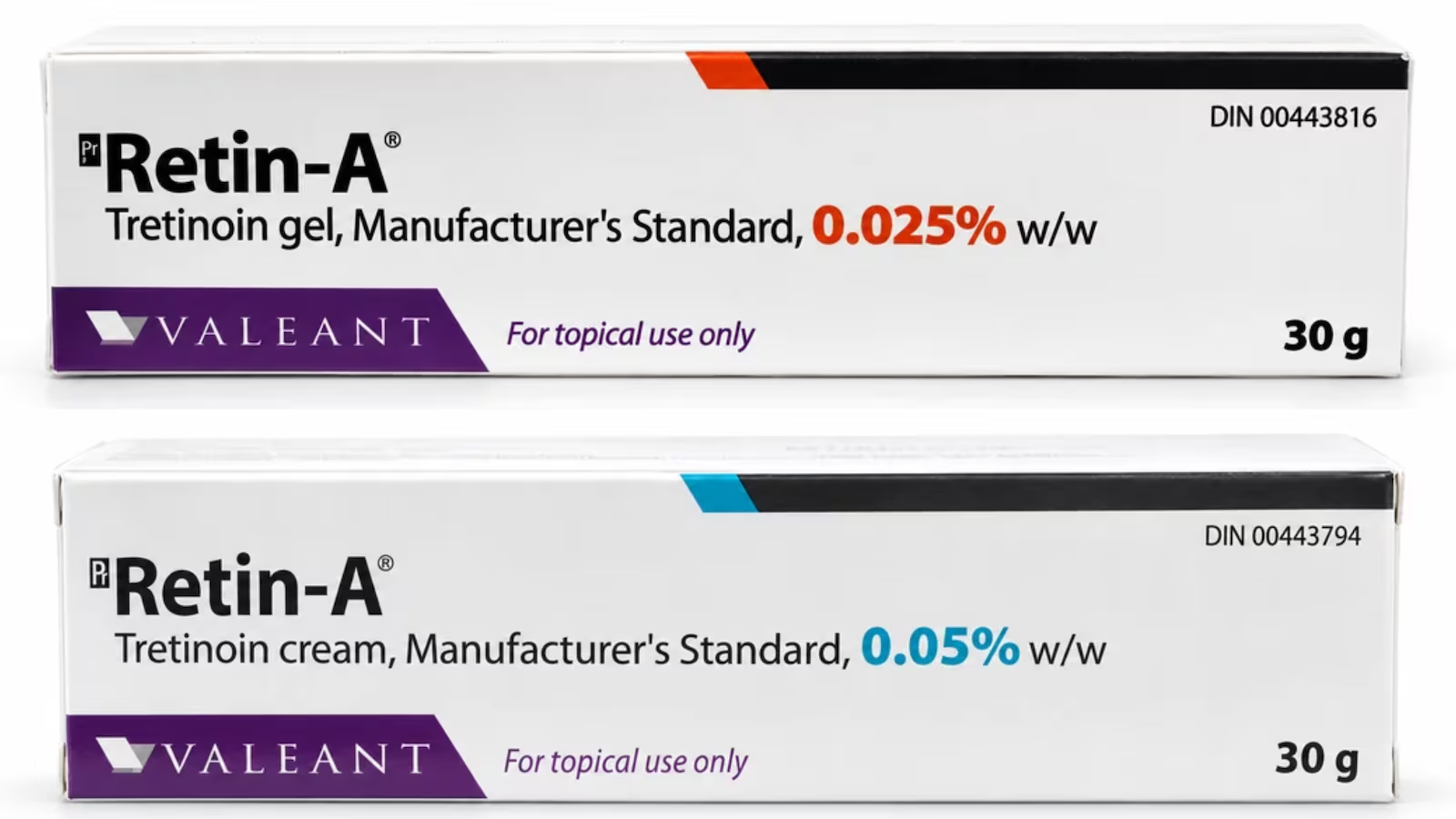
TORONTO — The end of marketing for some prescription acne treatments in Canada has raised concern among patients who rely on them regularly, particularly because they may have to switch to costlier alternatives or adjust their treatment plans after consulting doctors and pharmacists.
Several sources pointed to the importance of these treatments and the difficulty of replacing some of them for patients who have had good results with them.
Products that have recently raised concerns about availability include Retin-A preparations, which contain tretinoin, a vitamin A derivative used to treat acne.
The end of marketing for certain formulations of this drug does not mean tretinoin has been banned entirely, or that all acne treatments have disappeared from Canadian pharmacies.
Why is Retin-A an important treatment?
Retin-A is applied to the skin to help unclog pores and regulate skin cell turnover, which reduces the formation of pimples, blackheads and whiteheads.
Tretinoin is a well-known acne medication, particularly when breakouts recur or persist despite the use of regular skin care products.
Treatment may take several weeks before a clear improvement appears, and it can cause dryness, redness and irritation of the skin during the initial period.
Health Canada stresses the importance of using these products as directed by a doctor, taking into account warnings related to pregnancy and skin sensitivity.
Patients struggle to find the medication
The reduced availability of some Retin-A formulations has prompted discussion among Canadian users, after patients said they were unable to renew their usual prescriptions.
The concerns involve formulations in different strengths, including a 0.05 per cent cream and a 0.025 per cent gel.
The discontinuation of a product a patient is used to affects the continuity of treatment, especially when the patient has tried other products without getting the desired result.
Patients may need to see a doctor to determine a new formulation, or to obtain a different prescription if the usual product is no longer available.
Are the alternatives more expensive?
Other treatments containing vitamin A derivatives are available in Canada, along with products that combine several active ingredients.
However, the cost of alternatives varies depending on the brand, the strength, insurance coverage and the province in which the patient lives.
Products used to treat acne include Aklief, Arazlo and Cabtreo, which differ in their composition and how they are applied.
These medications are not necessarily identical substitutes, so their suitability for each patient must be assessed before a prescription is changed.
The availability of a drug also does not automatically mean its cost is covered under all drug insurance programs.
Dermatologists stress the importance of treatment options
The Canadian Dermatology Association says that acne treatment depends on its severity, the type and location of the lesions, and the patient's response to previous medications.
Treatment options may include benzoyl peroxide, topical antibiotics and retinoids, as well as oral medications for more severe cases.
Some cases require specialist follow-up to avoid permanent scarring and skin discolouration.
Specialists note that replacing one drug with another may require changes in how it is used, especially for people with sensitive skin or accompanying skin conditions.
What can patients in Canada do?
Patients who have difficulty obtaining Retin-A are advised to check with their pharmacist about whether the prescribed formulation or any suitable alternatives are available.
They should also consult their doctor before changing treatment, and should not use a different strength without professional guidance.
Patients can follow the status of products through Health Canada's Drug Product Database.
The effect of the discontinuation on each patient depends on the treatment being used, the availability of alternatives and the patient's ability to afford them.
The issue highlights the importance of ensuring that Canadians continue to have access to effective dermatological medications at reasonable prices.
More from Hala Canada
- Ottawa says no new order to stockpile food and water, 72-hour preparedness advice unchanged
- Explosion and fire in Glace Bay, N.S., collapse building and injure about 17 people
- Carney and Trump meet for about 20 minutes in China to discuss trade dispute
- Health Canada recalls four lots of PegLyte bowel preparation powder over possible foreign matter
- Ontario to raise minimum fines for loud vehicle noise offences from $60 to $200
- Rabid bat found in Quebec long-term care home; province works on urgent plan