
Ottawa says no new order to stockpile food and water, 72-hour preparedness advice unchanged
Public Safety Canada denied issuing any new directive requiring residents to stockpile food and water, saying the 72-hour emergency preparedness recommendation has been in place for years.
Translated from Arabic. Read the original بالعربية
OTTAWA — Public Safety Canada has denied issuing any new government orders or directives requiring residents to stockpile food and water in preparation for a possible emergency. The department said the recommendation to keep supplies for 72 hours is not new and is part of disaster preparedness guidance that has been in place for years.
The clarification followed questions and rumours on social media that linked calls for emergency preparedness to technical disruptions affecting various services, as well as to tests of alert systems in North America.
The department said that preparing for three days is a general precaution, not a warning about a specific disaster or an imminent loss of electricity and essential services.
Government denies any new orders
Public Safety Canada explained that the current guidance does not require citizens to buy extra quantities of products or build large food stockpiles.
It stressed that the 72-hour recommendation has been in effect for years and is meant to help families meet their basic needs during the first hours of any crisis.
A department spokesperson said the government has not adopted a policy requiring Canadians to keep three days' worth of supplies.
This means the recommendation is voluntary and is not tied to the declaration of a national emergency or to any new extraordinary measures.
Why does Canada recommend 72-hour preparedness?
The government explains that natural disasters can disrupt electricity, water, communications and roads, making it difficult for aid to reach some areas quickly.
For this reason, authorities encourage households to have at least three days' worth of basic necessities.
Risks vary by location. British Columbia faces the possibility of earthquakes and wildfires, while other regions are exposed to snowstorms, floods and severe winds.
Preparations at home help emergency crews give priority to people who need rescue or urgent medical care.
What items does the government advise keeping?
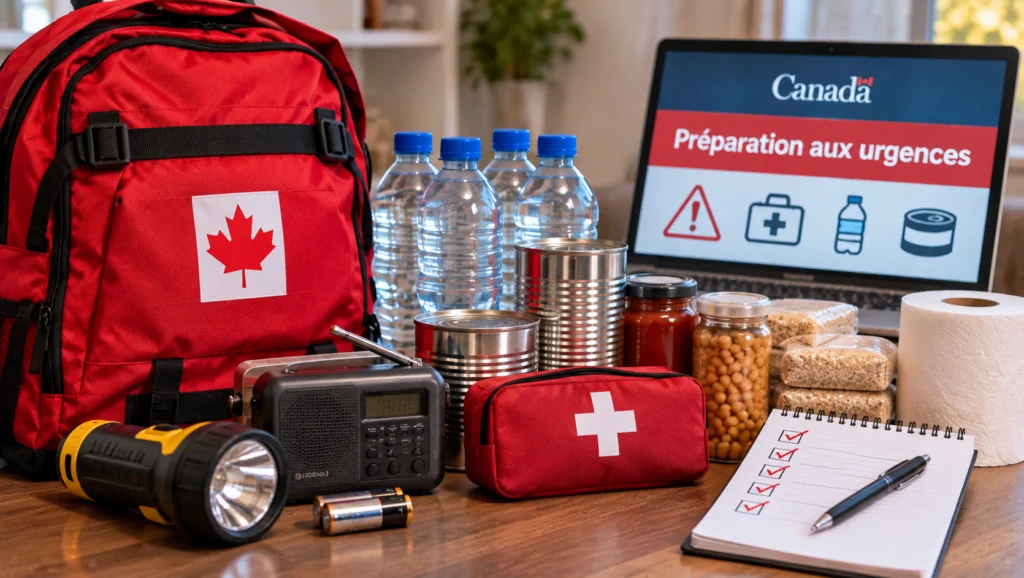
Official guidance recommends putting together an emergency kit containing drinking water and non-perishable food, along with a flashlight, batteries and a radio that works without electricity.
The government advises having at least two litres of water per person per day, or six litres per person over three days.
Supplies also include essential medications, a first aid kit, copies of important documents, some cash and ways to charge phones.
It is advisable to take into account the needs of children, older adults and pets, and to review the kit's contents regularly and replace expired products.
Rumours link the advice to a widespread power outage
The debate coincided with online claims about a possible widespread power outage in North America.
Some posts relied on reports of technical disruptions and alert system tests to draw conclusions not supported by official evidence.
However, journalistic fact-checking found no credible government announcement confirming a planned widespread power outage.
Routine alert tests also do not necessarily mean there is a security threat or an expected disaster.
Alert Ready test raises further questions
Canada held a national test of the Alert Ready system on Wednesday, covering mobile phones, television stations and radio.
The test is intended to confirm that warning messages reach residents during real emergencies.
The responsible agencies said the alerts were tests and required no action from the public.
There is no reliable information linking the test to any new instructions on stockpiling food or water.
Preparing without causing panic
Canadian authorities stress the importance of having a family emergency plan and knowing alternative means of communication and possible shelter locations.
They also advise residents to rely on government websites for information and to avoid sharing unconfirmed warnings.
Preparing at home remains a precaution that helps people cope with natural disasters and temporary service outages, and does not mean a national crisis is expected.
The government's clarifications confirm that the three-day recommendation has not changed and that there is no new federal order requiring households to stockpile supplies.
More from Hala Canada
- Discontinued acne treatments in Canada raise concern among patients
- Explosion and fire in Glace Bay, N.S., collapse building and injure about 17 people
- Carney and Trump meet for about 20 minutes in China to discuss trade dispute
- Health Canada recalls four lots of PegLyte bowel preparation powder over possible foreign matter
- Ontario to raise minimum fines for loud vehicle noise offences from $60 to $200
- Rabid bat found in Quebec long-term care home; province works on urgent plan