
Provinces have 139 days to nominate tens of thousands of workers for permanent residence
Ottawa has given provinces until March 31, 2027, to nominate foreign workers for permanent residence under an exceptional plan covering up to 100,000 workers and their families.
Translated from Arabic. Read the original بالعربية
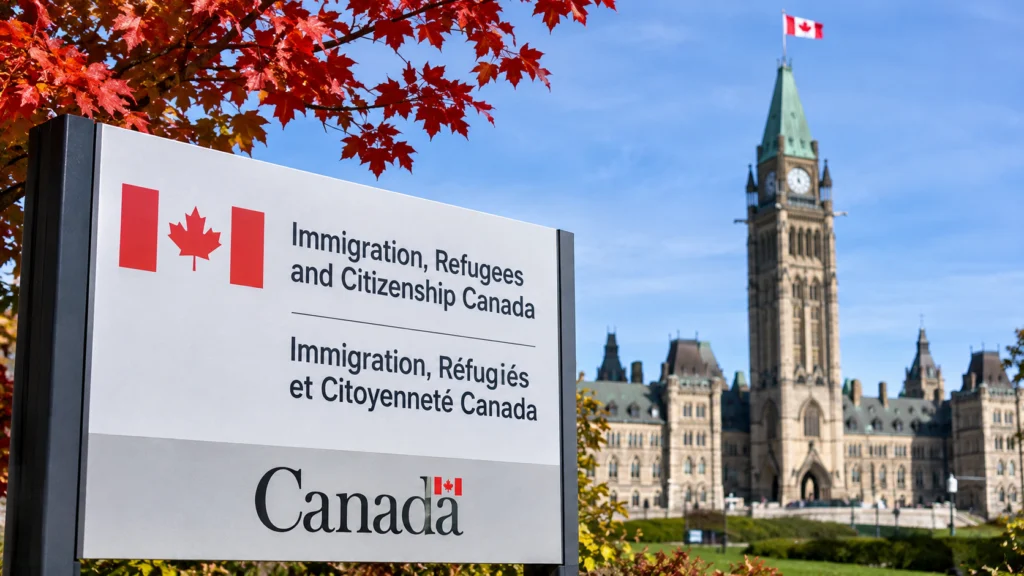
OTTAWA — The federal government has given provinces and territories 139 days to use additional allocations to nominate tens of thousands of foreign workers for permanent residence. The exceptional plan aims to regularize the status of up to 100,000 workers and their family members in 2027.
Immigration, Refugees and Citizenship Canada (IRCC) announced that the target date for using the new allocations is March 31, 2027. The goal is to speed up the transition to permanent residence for workers already in the country.
The announcement followed a news conference held by Immigration Minister Lena Metlege Diab on Thursday, November 12, in Dieppe, New Brunswick.
139 days for provinces
Under the new measures, provinces and territories can receive additional nomination allocations through the Provincial Nominee Program (PNP), on top of their usual annual allocations.
Each province will be able to decide how many nominations it wishes to use, based on local labour market needs and sectors facing labour shortages.
The department said participation is optional, meaning provincial governments are not required to use all the allocations offered to them.
Ottawa has not yet announced the numbers assigned to each province or which bodies will benefit from the additional allocations.
After the nomination period ends, the department will have about nine months to process permanent residence applications linked to the initiative before the end of 2027.
Which workers are eligible for permanent residence?
The initiative targets foreign workers already in Canada who have gained work experience and become part of local communities.
The opportunities include candidates eligible through core provincial nominee streams, as well as streams linked to the Express Entry system.
Workers in sectors that need qualified staff may benefit, according to criteria set by the provinces.
However, the government has not announced a single list of occupations that will receive priority, and it has not guaranteed that all temporary workers will be accepted.
The provincial nomination mechanism does not include Quebec, which manages the selection of economic immigrants through a separate system.
A chance for holders of older residence applications
The plan is not limited to new nominations. It allows provinces to identify workers who previously applied for permanent residence and are waiting for decisions.
The categories that could be affected include applicants through the Atlantic Immigration Program, as well as some federal programs that have stopped accepting new applications.
Among the most prominent are the Start-up Visa Program, the Self-Employed Persons Program and the Agri-Food Pilot.
The list also includes immigration programs for home care workers.
The department stated that people with existing applications do not need to submit new ones to potentially benefit from faster processing.
200,000 additional spaces outside immigration targets
The initiative is part of transitional measures the government announced in Budget 2026, which include up to 200,000 additional permanent residence spaces next year.
The first group is set aside for up to 100,000 eligible workers and their family members.
The second group targets the processing of files for humanitarian and family categories, including applicants under the Hong Kong and Ukraine pathways, dependent spouses and children, and eligible humanitarian cases.
These spaces come on top of the annual target of 380,000 permanent residents in 2027.
The annual immigration levels plan also sets 95,000 spaces for the Provincial Nominee Program, separate from the new exceptional allocations.
Can new applications be submitted now?
The government stressed that the exceptional measures do not create a new immigration program and do not reopen closed federal pathways.
Workers who wish to benefit from the new nomination opportunities should therefore follow the official announcements of the province where they live to learn about selection requirements and dates.
Final approval of permanent residence will remain subject to assessment by the federal immigration department, even after a provincial nomination is obtained.
Ottawa says the main goal is to retain talent already in Canada and support employers, without adding significant pressure on housing and public services.
The announcement of how the allocations will be distributed among the provinces remains the awaited step to determine how many opportunities will actually be available to workers in the coming months.
More from Hala Canada
- Several dead in boat incident in Squamish area amid B.C. flooding
- McGill researchers uncover network of 293 fake accounts posting AI videos aimed at Canadians
- More than 70,000 Quebec students authorized to strike over cost of living, education funding
- Brampton family seeks to raise $5.5 million for gene therapy that could change son's life
- Montreal police dismantle $3.9-million gold theft network, arrest 14 including six teens
- House fire in Scarborough: person found without vital signs