
Canada details 100,000 additional permanent residence spaces for 2027 and who will benefit
IRCC has outlined how the additional 2027 permanent residence spaces will be distributed, including Hong Kong applications, Ukrainian family reunification, spouses and partners, and humanitarian cases.
Translated from Arabic. Read the original بالعربية
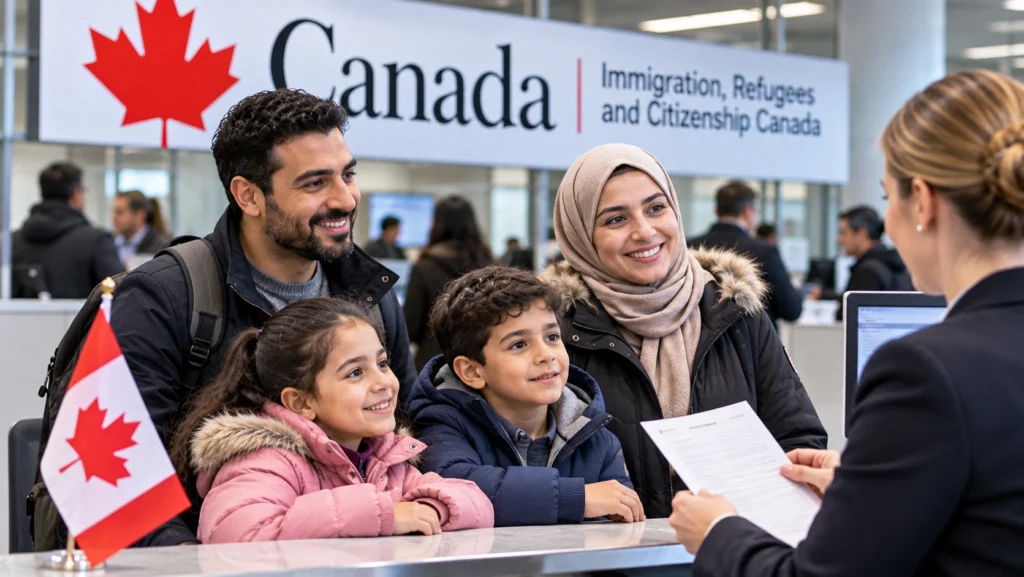
OTTAWA — The Canadian government has released new details on the distribution of up to 100,000 additional permanent residence spaces in 2027, as part of exceptional measures aimed at speeding up the processing of applications from immigrants who are already in the country.
Immigration, Refugees and Citizenship Canada (IRCC) announced that the spaces will be set aside for specific groups, including Hong Kong residents, Ukrainians, family members of citizens and permanent residents, and applicants on humanitarian grounds.
The initiative is part of a broader plan to make up to 200,000 additional spaces available in 2027, outside the regular annual immigration targets, with the aim of reducing backlogs and strengthening the legal stability of eligible residents.
How the additional permanent residence spaces are distributed
In an official statement issued on November 10, the department set out the estimated number of beneficiaries under the new humanitarian initiative, focusing on files that have been awaiting final decisions for long periods.
- Hong Kong residency pathways: up to 32,000
- Ukrainian family reunification: up to 18,800
- Spouses, partners and dependent children: up to 45,000
- Humanitarian and compassionate cases: up to 12,600
The maximum estimates for the four categories add up to 108,400 people, even though the announced ceiling for the humanitarian stream is 100,000 spaces. The department did not provide a final breakdown explaining the difference, so not all of the figures should be treated as fully guaranteed allocations.
Speeding up Hong Kong and Ukraine files
The government intends to process all remaining applications under the permanent residence pathways for Hong Kong residents, which closed to new applications on August 31, 2026.
Approvals resulting from the processing of these files are expected to reach 32,000 people, according to IRCC estimates.
As for the Ukrainian family reunification program, which stopped accepting applications in October 2024, the government aims to finish processing its remaining files, which could include 18,800 beneficiaries.
Authorities say the beneficiaries are already in Canada, so granting them permanent residence will not mean the arrival of a comparable number of new immigrants from abroad.
45,000 spaces for family reunification
The government has set aside room to process applications from up to 45,000 spouses, legal partners and dependent children of Canadian citizens and permanent residents.
The measure covers people in Canada who have already applied and are still waiting for final decisions from the relevant authorities.
The department hopes that speeding up these files will help shorten wait times, and it is seeking to bring processing times for spousal and partner applications outside Quebec closer to 12 months.
The measure is expected to ease the uncertainty facing many families, particularly when their professional and social futures depend on obtaining stable residency status.
New measures for humanitarian cases
The initiative also covers up to 12,600 people who have already received preliminary approval of their permanent residence applications on humanitarian and compassionate grounds.
This group is made up of people who have passed a key stage in the assessment of their applications but are still waiting for the final steps to be completed to obtain permanent residence.
IRCC stressed that the initiative does not create a new program and does not reopen pathways that were previously closed to applications.
It also explained that people whose files are covered do not need to submit new applications or contact the department in order to benefit from faster processing.
100,000 additional spaces for workers in Canada
In addition to the humanitarian stream, the government has set aside up to 100,000 other spaces for workers who are in Canada and their eligible family members.
Federal authorities will work with the provinces and territories to identify workers who meet local labour market needs, particularly through the Provincial Nominee Program.
The measures may also cover files submitted earlier under specific federal programs, including caregiver programs, the Agri-Food Pilot and some closed economic immigration streams.
The government aims to retain workers who have gained experience in Canada and to reduce the need to bring in additional numbers from abroad.
Will immigration numbers rise in 2027?
The initiative comes under Canada's immigration plan for 2027–2029, which sets a target of welcoming 380,000 permanent residents a year.
The exceptional spaces announced are added to this target, but they are directed at people who already live in Canada and do not mean the door is open to everyone who wishes to immigrate from abroad.
The government says the measures are intended to speed up the processing of backlogged applications, while continuing to reduce the number of temporary residents and balancing the needs of the economy with the capacity of public services.
Implementation of the plan remains tied to applicants' eligibility and the completion of processing steps, and the announced numbers should not be regarded as an automatic guarantee of permanent residence.
More from Hala Canada
- Petition on tipping in Canada amid wide anger over restaurant tip charges
- Canada among countries with most demanding travel requirements, report finds
- Poll: 51% of Quebecers dissatisfied with new government one month after it took office
- Man found dead in Toronto in 1992 identified after 34-year mystery
- Union report finds staffing shortages in all 72 Ontario school boards, with fewer supports for students
- Ford sends urgent letter to Carney warning against assembling Chinese vehicles at Brampton plant