
Study links stopping semaglutide-type injections to higher risk of heart attack, stroke and death
A study of more than 80,000 patients with type 2 diabetes found higher rates of cardiovascular events and death after stopping GLP-1 drugs, but researchers say it does not prove that stopping the drug is the cause.
Translated from Arabic. Read the original بالعربية
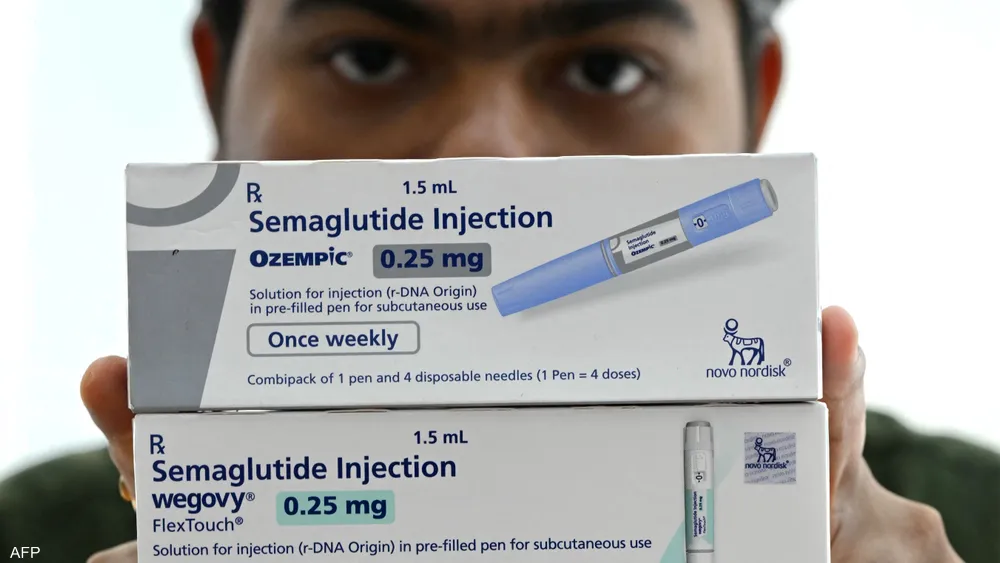
HALA CANADA — A recent medical study has found that stopping certain diabetes and weight-loss injections is associated with a notable increase in the likelihood of heart attack, stroke or death among people with type 2 diabetes, compared with patients who continued treatment.
The findings drew wide attention because they concern common drugs in the GLP-1 receptor agonist class, which includes treatments containing semaglutide, the active ingredient in Ozempic and Wegovy.
The researchers stress, however, that the results do not prove that stopping the drug is the direct cause of the complications.
Study of more than 80,000 patients
The study was published in The Lancet Regional Health – Europe. It relied on electronic medical records of 80,302 patients with type 2 diabetes who received care at 301 specialized centres in Italy.
Participants did not have established cardiovascular disease when they started the medications. The researchers compared those who stopped treatment with those who continued, and tried to balance the recorded health characteristics of the two groups.
In the comparative analysis, each group included 28,713 people. Those who did not stop the drugs continued treatment for an average of nearly three years, compared with just over one year for those who discontinued.
Risk rises to about double
The results showed that the rate of a non-fatal heart attack, non-fatal stroke or death from any cause was about four cases per 100 people per year in the group that stopped treatment, compared with two cases per 100 people among those who continued.
This is a composite measure that combines three types of health outcomes. It does not mean that four out of every 100 people had a heart attack specifically.
The comparison also reflects a statistical association, not a confirmed result of stopping the injections.
The researchers noted that the recorded risks were higher among those who stopped treatment and continued to have obesity.
The association appeared even after accounting for changes in weight, blood sugar and blood pressure, factors that may be affected by continuing or stopping treatment.
Why scientists caution against drawing hasty conclusions
The study was described as an observational, retrospective study, meaning it analyzed existing data and did not randomly assign patients to two groups to continue or stop treatment.
As a result, there may be health or social differences that the records could not capture, such as worsening health in some patients, difficulty tolerating side effects or the high cost of the drugs.
Professor Naveed Sattar, a specialist in cardiometabolic medicine at the University of Glasgow, said people who stop treatment may already be more prone to health problems, regardless of the decision to stop.
There was also not enough information on individual reasons for stopping, and the results cannot automatically be generalized to people who use the injections for weight loss without having diabetes.
The study did not include tirzepatide, the drug in Mounjaro.
What this means for users of Ozempic and Wegovy
GLP-1 drugs are used to help control blood sugar, while some of the products are also prescribed to treat obesity under specific medical conditions.
Earlier clinical trials showed cardiovascular benefits from some of these treatments in eligible groups.
However, the new study does not mean that everyone must stay on the injections for life, nor does it justify ignoring their side effects or using them again without a prescription.
Specialists advise discussing any wish to stop treatment with a doctor, in order to set up a plan to monitor blood sugar, weight and cardiovascular risk factors, and to consider suitable alternatives when needed.
The findings underline the importance of following patients after their medications change, and the need for further studies to determine whether stopping treatment actually causes increased risk, and who benefits most from continuing it.
More from Hala Canada
- Montreal police arrest about 15 in jewellery theft crackdown; teens as young as 13 recruited
- Ticket sold in Mississauga wins $38-million Lotto 6/49 Gold Ball jackpot
- Canada proposes extending ban on foreign home purchases to 2029: what it means
- Toronto police identify suspect, 19, in fatal Etobicoke shooting of 18-year-old
- Urgent Toronto meeting on Brampton Stellantis plant, where more than 2,000 jobs are at stake
- Federal budget proposes new tax credit for artists and $783.1 million for national cultural institutions