
2026 federal budget proposes May 15 tax deadline, higher benefits and new deductions
The budget proposes moving the filing and payment deadline to May 15 from the 2027 tax year and raising food, worker and caregiver support, along with fixed-amount claims and changes to dealings with the CRA.
Translated from Arabic. Read the original بالعربية
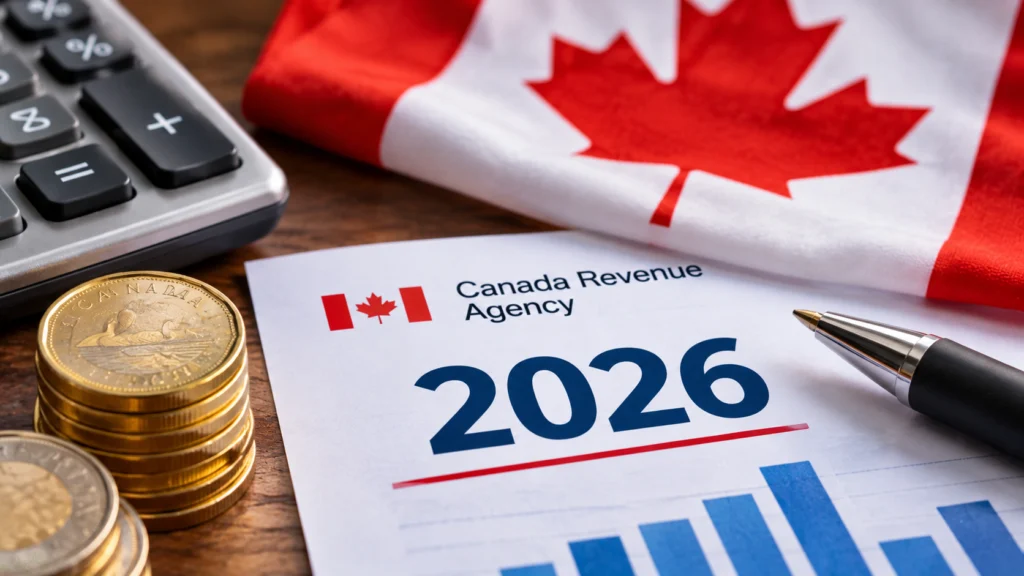
OTTAWA — The 2026 federal budget includes a wide range of tax changes and financial support measures that could affect millions of families, workers and retirees. They include extending tax-filing deadlines, simplifying deductions and increasing some government benefits.
The government of Prime Minister Mark Carney is seeking to reduce the administrative burden of taxes and ease financial pressure on low- and middle-income earners, while giving small businesses more flexibility in managing their obligations.
The proposals are part of the budget tabled by Finance Minister François-Philippe Champagne on November 5, but most of the measures require legislative approval before they take effect.
Tax-filing deadline extended to May 15
The government proposes making May 15 a single deadline for filing tax returns and paying amounts owed to the Canada Revenue Agency (CRA), starting with the 2027 tax year.
Currently, the usual deadline for most individuals is April 30, while self-employed workers have a longer period to file, although taxes owed must still be paid in April.
Ottawa expects the change to save about $230 million over five years by reducing penalties and interest resulting from late filing.
It also proposes extending the time limit for objecting to tax assessments, giving taxpayers more time to review the agency's decisions.
Extra food support of up to $679
The budget includes a one-time 50 per cent increase to the Canada Groceries and Essentials Benefit, which replaced the former GST Credit.
The increase could reach $339 for a single person without children and $679 for a family of two spouses and two children, depending on income and family status.
The government aims to pay out this support in early 2027. No specific date for the transfers has been announced yet.
The actual amount remains tied to eligibility conditions, and the maximum figures do not mean all recipients will receive the same amount.
Workers' benefit rises to $3,143
The government proposes enhancing the Canada Workers Benefit and renaming it the Build Canada Workers Benefit, starting with the 2027 tax year.
The maximum annual amount would rise to $1,859 for individuals without children and $3,143 for eligible families.
The minimum working income at which the benefit begins to be calculated would fall from $3,000 to $500 a year, widening access to the benefit.
However, the budget also proposes reducing advance payments during 2027, then eliminating them starting with the 2028 tax year, so the entitlement would be paid after the tax return is filed.
$1,260 for family caregivers
Ottawa intends to turn the caregiver tax credit into a refundable credit, so that recipients can receive it even if their taxes owing are low or nil.
The annual support could reach $1,260 for some eligible caregivers in 2027, with the amount varying by family situation and the income of the person receiving care.
The government expects about 585,000 people to benefit, including 180,000 who do not currently receive support from this credit because their tax liabilities are low.
Fixed-amount deductions without keeping every receipt
The budget introduces new options to claim fixed tax amounts for certain eligible expenses, instead of calculating actual expenses and keeping all the receipts.
The proposals include a $1,000 deduction for certain moving expenses related to work or study, and $1,500 for travel by eligible workers in the skilled trades.
They also include optional amounts for some accessibility-related home modifications, the cost of caring for assistance dogs, medical products for incontinence, and gluten-free food for people with celiac disease.
The fixed amounts are not direct cash payments, since the value of the tax savings differs from the value of the announced deduction.
New measures on instalments and foreign assets
The government proposes raising the threshold for paying taxes by instalments from $3,000 to $7,500, starting with the 2028 tax year, to reduce the number of individuals and businesses required to make periodic payments.
The reporting threshold for specified foreign property on Form T1135 would also rise from $100,000 to $200,000, for tax years ending after 2026.
These measures aim to reduce paperwork, but they do not eliminate taxes owed or other obligations set out in law.
When will Canadians benefit from the changes?
The timing of most changes depends on the tax year specified for each measure, as well as on Parliament's approval and the publication of final guidance from the Canada Revenue Agency.
Citizens and residents should therefore not treat the proposed dates or deductions as rules in force before the necessary legislation is passed.
More from Hala Canada
- Federal budget proposes new tax credit for artists and $783.1 million for national cultural institutions
- Flooding hits Vancouver Island as heavy rain threatens homes and roads
- Driver charged after being found asleep at the wheel on Highway 417 in Ottawa
- Customer accused of assaulting restaurant employee over shawarma portion in Montreal
- Prince Edward Island invites 192 candidates to apply for nomination in surprise immigration draw
- Carney and Quebec clash as St-Pierre Plamondon contacts 59 US officials on tariffs