
Coyote Watch Canada urges Toronto residents to keep distance from coyotes after child injured
The non-profit asked residents not to approach or feed coyotes after a child suffered minor injuries in an encounter with one in Edwards Gardens.
Translated from Arabic. Read the original بالعربية
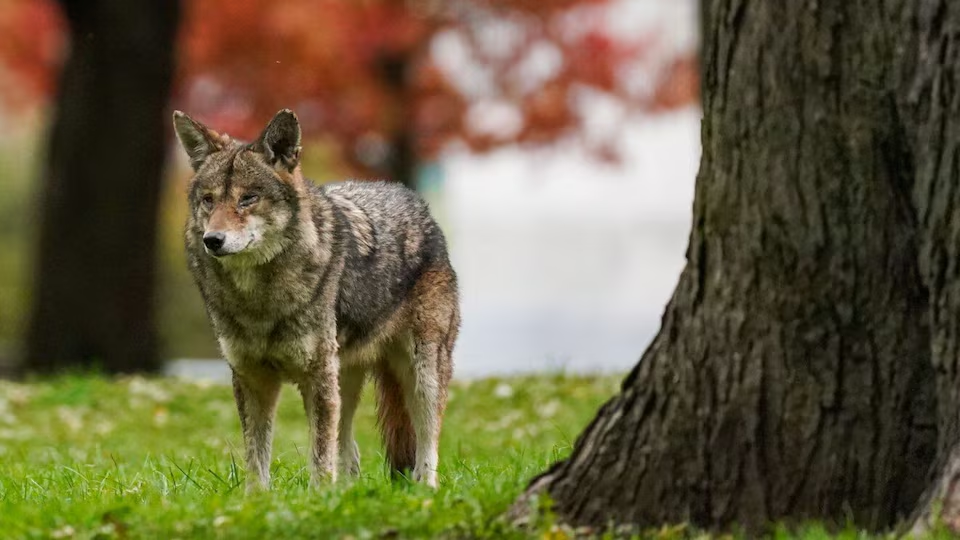
TORONTO — Coyote Watch Canada, a non-profit organization that works to protect wildlife, has urged Toronto residents to keep a safe distance from coyotes, following an incident that has raised wide concern in the city.
The call came after a child suffered minor injuries last Thursday in an encounter with one of the animals in Edwards Gardens, in northeast Toronto.
The organization said it had received reports that some people deliberately approached the animal involved in the incident, including photographers who tried to lure it with food.
Accounts of the incident differ
Toronto police said the incident took place on the morning of Thursday, Nov. 19, near the intersection of Lawrence Avenue East and Bridle Path.
According to the police account, the coyote attacked the child and dragged them some distance before several passersby managed to scare the animal away.
Police said the child suffered minor injuries, and officers were unable to find the animal when they arrived at the scene.
The wildlife protection organization offered a different account. It said the animal made contact with the child but did not bite or drag them, contrary to what was stated in the police statement.
The organization also expressed sympathy for the family and criticized comments that blamed the child's caregivers for the incident, saying they were present and intervened immediately.
Feeding coyotes increases the risk of attacks
The organization warned that giving food to wild animals changes their natural behaviour toward people.
When coyotes become accustomed to getting food from people, they may begin approaching park visitors and residential areas in search of food.
Attempts to lure animals in order to photograph them or play with them can also increase the likelihood of unwanted encounters.
The organization said that protecting residents and wildlife requires respecting safe distances and not interfering with animals' behaviour in their natural environment.
Toronto bans feeding wildlife
Since April 2023, the City of Toronto has had bylaws that prohibit feeding wildlife or leaving food out to attract it, on both public and private property.
The measures aim to reduce the animals' approach to residential areas and lower the risks to residents and pets.
The City also recommends that photographers and wildlife watchers keep a distance of at least 30 metres and use long-range camera lenses instead of getting close.
Residents can report people who feed wildlife by calling 311.
Why are coyotes found in Toronto?
Coyotes, also known as prairie wolves, live in many natural and urban areas of Toronto.
The animals are highly adaptable to different environments, taking advantage of the food and shelter available in green spaces.
They also play an important role in maintaining ecological balance by helping control populations of rodents and rabbits.
The City says the presence of coyotes in Toronto does not necessarily pose a threat to residents, but a change in the animals' behaviour may require the relevant authorities to step in to protect public safety.
What to do if you encounter a coyote
Local authorities recommend a series of precautions when a coyote is seen, chiefly:
- Do not run or turn your back on the animal.
- Back away slowly while watching its movements.
- Do not try to feed or touch it.
- Keep dogs on a leash while walking.
- Supervise children in natural areas.
- Make loud noises to drive it away if it approaches aggressively.
- Avoid cornering or chasing it.
Residents are also advised to secure garbage bins and not leave pet food outside their homes, to avoid attracting wildlife to residential neighbourhoods.
When to call emergency services
Toronto police urged residents to call 911 if a person or a pet is directly attacked by a coyote.
If an animal is seen behaving unusually, or appears injured or sick, residents can contact City services at 311.
Reports that include precise information about the animal's location and behaviour help authorities assess the level of risk and take appropriate action.
The Edwards Gardens incident again highlights the importance of public awareness about how to safely deal with wildlife in Canadian cities.
It also underscores the need to balance the protection of children and families with the preservation of wildlife, by respecting the natural environment and avoiding human practices that increase the likelihood of incidents.
More from Hala Canada
- New payments for Canadians between Nov. 24 and 30: amounts and dates
- New Brunswick selects 463 candidates for permanent residence in November draws
- U.S. trade representative says U.S. and Canada are close to a new trade deal
- Canada to issue new pension and benefit payments on Nov. 26: who qualifies?
- Luxury home sales fall in Toronto and Vancouver, but top-priced properties buck the trend
- Youth and advocates urge MPs to fast-track Bill C-34 on social media safety for under-16s