
Canadians stranded in New Zealand for 14 months over drug-laden bags that are not theirs
Trips to New Zealand turned into legal ordeals lasting many months for Canadians whose names were linked to bags containing drugs, according to a new press report.
Translated from Arabic. Read the original بالعربية
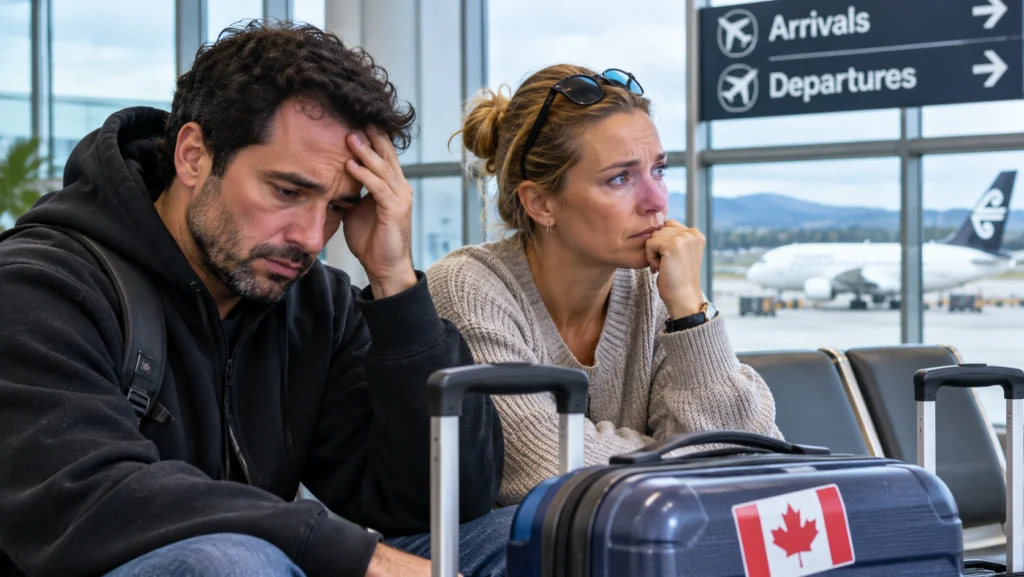
TORONTO — A new press report has revealed the ordeal of Canadian travellers who faced drug-smuggling allegations in New Zealand after the tags on their bags were suspected of having been swapped onto bags containing banned substances.
The repercussions of the case have extended over 14 months, amid concerns about the safety of baggage-handling procedures at Canadian airports.
How are baggage tags swapped?
The method relies on removing the original luggage tag from a traveller's bag and placing it on another bag that contains drugs.
The tag carries flight, passenger and destination details, which makes the substitute bag appear to belong to the original tag holder.
When the banned substances are discovered at the arrival airport, the traveller can become the subject of an investigation even though they were unaware of what the bag contained.
The Government of Canada officially warns that criminal networks use this method, which can lead to the arrest of people who took no part in smuggling operations.
Investigations reveal multiple cases
W5 investigations found at least 17 travellers who were detained in similar cases linked to flights departing from Canada.
The affected destinations included New Zealand, the Philippines, the Dominican Republic and other countries.
Canadian police also announced the arrest of six baggage-service and ground-operations workers at Toronto Pearson Airport in connection with investigations into baggage tag swapping.
These incidents do not mean that all the cases are linked to a single network, as authorities are investigating the circumstances of each incident separately.
Canadian faces prison sentence in New Zealand
An earlier investigation looked at the case of Canadian Tohid Moin, known as Tommy, whose name was linked to a bag containing methamphetamine at Auckland Airport.
Moin said the seized bag was not his original bag, pointing out that its colour differed from that of his own.
Despite his objection, a New Zealand court convicted him and sentenced him to more than nine years in prison.
Surveillance footage presented in the investigation showed another person collecting the bag in question, while Moin intends to appeal his conviction on the basis of additional evidence.
Pressure to tighten airport oversight
These cases have prompted calls to strengthen the screening of workers who have access to restricted baggage areas.
Canada's Minister of Transport, Steven MacKinnon, also announced plans to tighten security clearance requirements and improve the sharing of risk-related information.
Families of those affected and their lawyers are calling for a review of the responsibilities of airlines, airport authorities and regulatory bodies.
Investigations indicate that tampering with baggage tags can happen within a short time, making it difficult to detect without effective oversight systems.
Government of Canada warns travellers
The Government of Canada has published guidance to protect travellers from baggage swapping and unintentional smuggling.
Authorities recommend photographing luggage before handing it over, keeping shipping receipts, and checking that tag numbers match when collecting bags.
They also advise reporting immediately any sign of tampering or any difference in the bags, and not leaving the baggage claim area before the problem has been dealt with.
If arrested abroad, travellers should ask to be put in touch with Canadian consular officials, who can provide assistance within the limits of local laws.
Concerns about the future of international travel
These cases reveal security challenges that travellers may face even when they comply with all legal travel procedures.
They also highlight the need to improve the documentation of baggage movements and to develop ways of preventing luggage tags from being moved without detection.
Establishing the facts and identifying those involved remain the responsibility of judicial and security authorities, amid calls to protect travellers from false accusations and to guarantee their legal rights.
More from Hala Canada
- Man, 19, arrested in killing of Malik Abbas in Toronto; police seek youth wanted in two homicides
- Children's Place bankruptcy filing puts 56 Canadian stores at risk
- Trump impersonator joins Mark Carney on stage at Ottawa press gallery dinner
- Coyote Watch Canada urges Toronto residents to keep distance from coyotes after child injured
- New payments for Canadians between Nov. 24 and 30: amounts and dates
- New Brunswick selects 463 candidates for permanent residence in November draws