
Canada to issue November CPP payments early, with maximum monthly benefit of $1,507.65
CPP recipients will receive their November 2026 payments on Thursday, Nov. 26, earlier than usual, with the maximum monthly retirement pension at age 65 set at $1,507.65.
Translated from Arabic. Read the original بالعربية
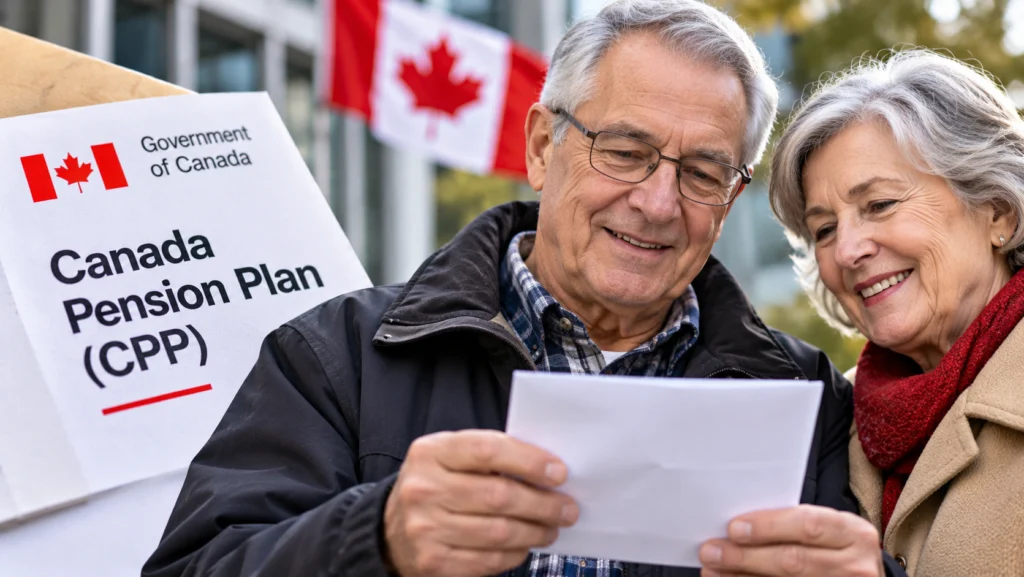
OTTAWA — Canada Pension Plan (CPP) recipients are preparing to receive their monthly payments earlier than usual this November, under the government's 2026 payment schedule.
Payments are scheduled for Thursday, Nov. 26, and the maximum monthly retirement pension at age 65 is $1,507.65.
The payments come as Canadian households prepare for additional winter and holiday-season expenses, including heating, shopping and basic needs.
When CPP payments are issued in November 2026
Service Canada issues pension payments during the last three business days of each month.
These payments usually arrive on the 28th or 29th of the month, but the November payment will be issued on the 26th, according to the official government schedule.
The final payment of 2026 is set for Tuesday, Dec. 22, before the Christmas holidays.
Current recipients do not need to submit a new application to receive these payments, as long as they meet the program's requirements and are registered.
How much are CPP retirement pensions?
The monthly amount varies depending on the contributions a person made during their working life, their earnings, and the age at which they start receiving the pension.
According to government data, the current amounts are:
Type of payment
Monthly amount
Maximum at age 65
$1,507.65
Average for new beneficiaries
$858.34
The announcement of the maximum amount does not mean that all retirees will receive that sum.
Recipients can view estimates of their personal pensions through their online Service Canada accounts.
Who is eligible for the CPP retirement pension?
The Government of Canada requires two basic conditions to qualify for the plan:
Being at least 60 years old.
Having made at least one valid contribution to the Canada Pension Plan.
Contributions can come from work in Canada, or from the sharing of pension credits between spouses after a divorce or separation.
The program differs from some other government benefits in that it depends primarily on a person's record of work contributions rather than on age alone.
Workers in Quebec are covered by a separate provincial plan, the Quebec Pension Plan (QPP), which operates in co-ordination with the federal plan.
Delaying retirement can increase benefits by 42%
The Government of Canada allows eligible people to choose when to start receiving their pension, between the ages of 60 and 70.
Age 65 is the reference age used to calculate the pension amount.
If a person chooses to start early, the amount is reduced by 0.6% for each month before age 65.
The total reduction can reach 36% for those who start at age 60.
Delaying the pension past age 65 increases the amount by 0.7% per month.
The maximum increase is 42% at age 70, with no further age-related increases after that.
The choice of timing depends on each person's health, finances and future needs.
Can you work while receiving a CPP pension?
Canadian law allows recipients to keep working while receiving the pension, without any reduction of their base pension because of employment.
Eligible workers who continue to contribute can also receive an additional benefit known as the Post-Retirement Benefit.
This benefit helps increase retirement income over the long term.
This flexibility gives added options to people who want to continue working full time or part time after reaching retirement age.
How to apply for the CPP retirement pension
The pension is not issued automatically when a person reaches the eligible age.
Eligible people must submit a formal application through their My Service Canada Account, or send in the paper form for the program.
Some applicants over age 65 can also request retroactive payments of up to 11 months before the month the application is received, under specific conditions.
Authorities advise applying in advance to ensure the pension begins on the date the recipient chooses.
What to do if a payment is late
People registered for direct deposit will receive their payments in their bank accounts, while paper cheques may take longer to arrive because of mail delivery.
The Government of Canada recommends waiting between five and 10 business days before contacting the responsible office if a payment is late.
Recipients should also update their banking information and home addresses to avoid future delays.
The CPP pension is subject to income tax, and recipients can ask to have taxes deducted from their monthly payments.
More from Hala Canada
- Ottawa and Ontario announce $759.1 million in support for Ford amid trade war pressures
- Alberta issues 374 new invitations to workers under its immigration program
- Leaders and experts from more than 70 countries gather in Halifax for global security forum
- 148 people fall ill with unidentified illness aboard Caribbean Princess cruise ship
- Measles returns to the Americas, with warnings of a serious health setback
- Cadbury chocolate recalled across Canada over undeclared pistachios