
Proof of citizenship wait time hits record 35 months as backlog passes 139,000
IRCC data show the estimated processing time for proof of Canadian citizenship rose to 35 months, with about 139,200 people awaiting decisions, the highest backlog announced since December 2025.
Translated from Arabic. Read the original بالعربية
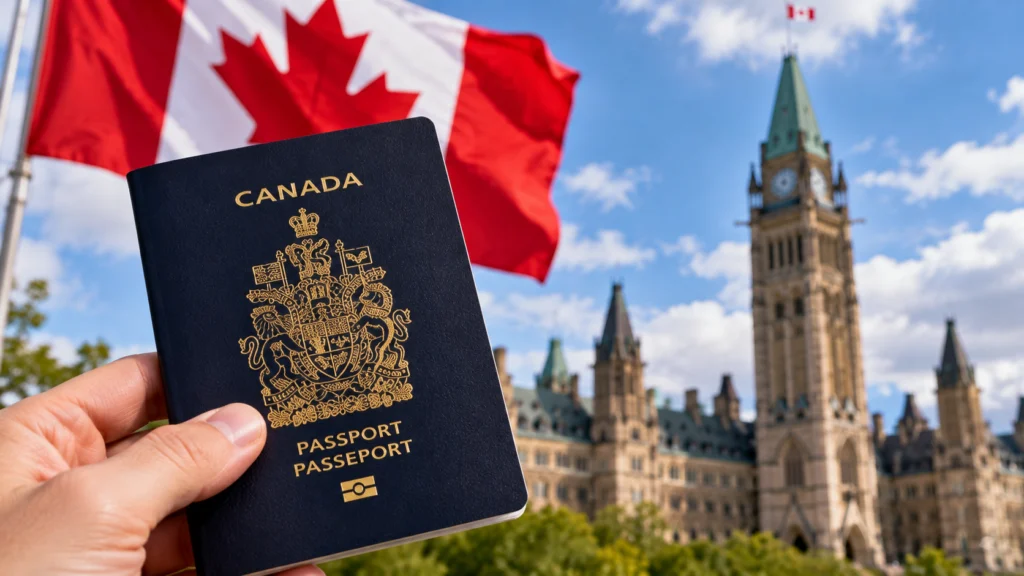
OTTAWA — New data from Immigration, Refugees and Citizenship Canada (IRCC) show the processing time for proof of Canadian citizenship applications has risen to 35 months. The record level reflects growing pressure on the system that issues citizenship certificates, particularly for people born outside the country who are descended from Canadians.
The update, posted on November 17, follows an estimate of 34 months in October. The number of people waiting for decisions on their files rose to about 139,200.
It is the highest figure announced since amendments to the Citizenship Act came into force in December 2025, amid concerns that delays will continue for new applicants.
Wait times rise at an unprecedented pace
Processing times for proof of citizenship certificates have increased steadily in recent months. The estimate was 12 months in May 2026.
It rose to 15 months in June, then 19 months in July, before reaching 25 months in August.
September saw the largest monthly increase, when the estimate jumped to 33 months, a rise of eight months at once.
In October the department added another month, bringing the estimate to 34 months, before it climbed again to 35 months in November.
These changes mean a new applicant could wait nearly three years for a decision on their application.
Backlog reaches a record
The number of people waiting rose to 139,200, compared with about 130,700 in October, an increase of 8,500 people in one month.
The department had recorded a temporary decline in October before the backlog rose again and passed the previous figure recorded in September.
Since December 2025, the waiting list has more than tripled, from about 40,400 people.
The growth reflects higher demand for citizenship certificates, coinciding with legislative amendments that widened eligibility for some people born outside Canada.
Bill C-3 behind the increase in applications
Bill C-3, which came into force on December 15, 2025, expanded the recognition of Canadian citizenship by descent.
The law removed the first-generation limit for eligible groups of people born outside Canada before that date.
Some people with Canadian grandparents or ancestors can now apply for a certificate confirming their citizenship, provided they meet the legal requirements related to the line of descent.
The department stresses that proof of citizenship differs from naturalization, because it is intended for people who already hold citizenship and need an official document confirming their legal status.
Has processing speed improved?
Despite the growing backlog, the department recorded an improvement in the number of citizenship certificates it issued in September.
The number of completed applications was 5,705, compared with 3,955 in August, an increase of about 44 per cent.
The total number of certificates issued from the start of the year to the end of September reached 44,060.
However, the improvement did not prevent the waiting list from rising again, which points to continued pressure on the resources assigned to processing applications.
Longer wait for applicants outside Canada
The department said the 35-month estimate applies to applications submitted from within Canada and the United States.
People living in other countries may need to add three or four months because of postal correspondence.
Based on current estimates, a person who applies in November 2026 could receive a decision around October 2029.
The estimate is approximate, however, and could change depending on the volume of applications, available resources and the circumstances of each file.
Can a citizenship certificate be expedited?
IRCC allows requests for urgent processing in exceptional cases, including when the certificate is needed to get a job or enrol in an educational institution.
Other possible reasons include travelling because a relative has died or is seriously ill, and needing proof of citizenship to access health services or a pension.
Documents proving the reason for urgency must be submitted, and approval of expedited processing is not guaranteed.
Applicants are advised to review their information and lineage documents before submitting an application, because missing documents or differences in names could cause additional delays.
More from Hala Canada
- Canada eases Express Entry permanent residence rules for university professors and lecturers
- About 286,000 people sign petition calling for U.S. ambassador to be expelled from Canada
- Toronto police seek 3 suspects after weapon assault on TTC subway passenger
- Advocacy group accuses Tim Hortons app of sharing user data with Israeli firm
- Montreal's Saint-Laurent Boulevard ranked sixth on Time Out's 2026 list of the world's best streets
- Canadians gradually return to U.S. travel plans despite Trump-era tensions, survey finds