
UNESCO advances two Canadian sites, in Newfoundland and Ontario, toward geopark status
UNESCO has given preliminary approval to Cabox Geopark in Newfoundland and Labrador and Niagara Geopark in Ontario to join its global geoparks network, with final approval expected in spring 2027.
Translated from Arabic. Read the original بالعربية
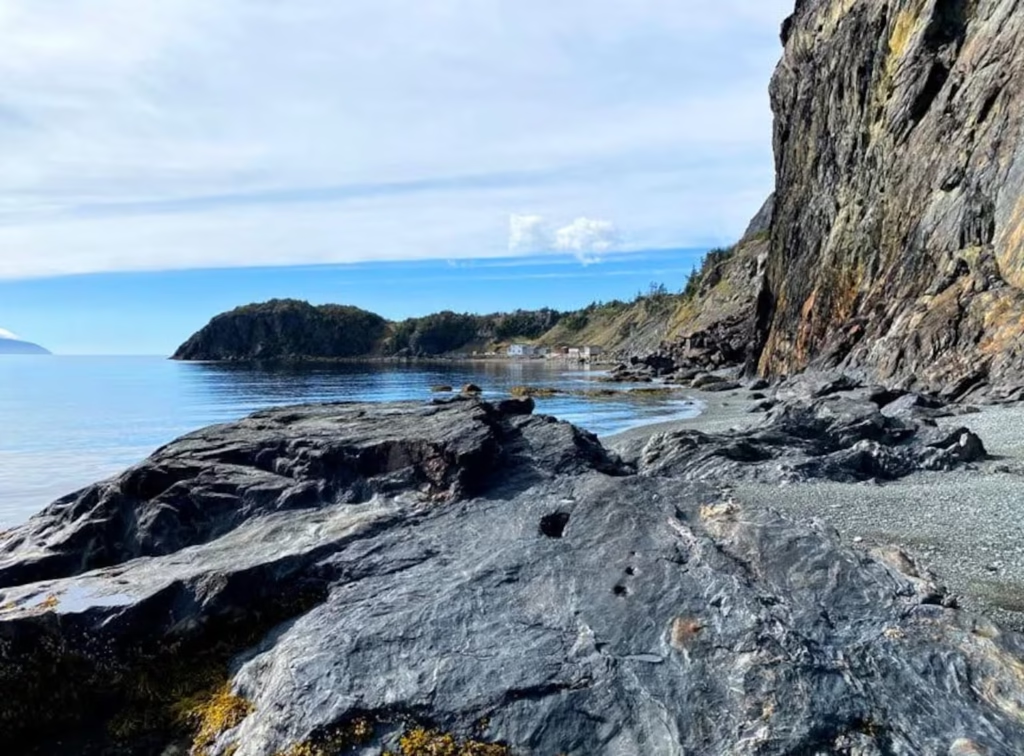
ST. JOHN'S — Two prominent natural sites in Canada have moved closer to new international recognition from the United Nations Educational, Scientific and Cultural Organization (UNESCO). Both have passed a decisive stage of assessment for joining the Global Geoparks Network.
The sites are Cabox Geopark in western Newfoundland and Labrador, and Niagara Geopark in Ontario.
The UNESCO Global Geoparks Council approved the nominations of the two sites at meetings held in Paris from Nov. 2 to 4, 2026.
The nominations are expected to go before UNESCO's Executive Board for final approval in spring 2027. If approved, the number of recognized UNESCO global geoparks in Canada could rise from five to seven.
Cabox Geopark reveals how continents formed
Cabox Geopark is a distinctive geological site in western Newfoundland. Its terrain and rock formations preserve important evidence of the history of movement in the Earth's crust.
Paul Wylezol, chair of the geopark and one of the strongest supporters of its nomination, said reaching this stage took about 12 years of continuous work.
He explained that the area played an important role in supporting the theory of plate tectonics in the 1960s and 1970s.
The theory explains the movement of the plates that make up the Earth's crust, and the related formation of mountains and oceans and geological activity.
Wylezol said preparing the nomination file required intensive work and outside expertise, along with hosting Canadian and international assessment teams.
He said the goal goes beyond winning international recognition and includes informing residents and visitors about the area's unique scientific value.
Niagara tells a geological story beyond the falls
Niagara Geopark aims to highlight the natural features and geological history of a region best known around the world for its falls.
Perry Hartwick, chair of Niagara Geopark, said the expected UNESCO recognition could encourage visitors to discover other attractions in the region instead of making only a short visit to the falls.
He said the Niagara Escarpment is a key element in shaping the region's natural and economic environment.
Its terrain helps provide climate conditions suited to growing fruit and to producing grapes used in winemaking, activities that are an important part of the local economy.
Officials hope the new designation will help attract the interest of museums, educational institutions and researchers, and lead tourists to stay longer.
Why does UNESCO recognition of the two sites matter?
UNESCO grants the status of "UNESCO Global Geopark" to areas with geological heritage of international significance, and works to link its protection with education, tourism and sustainable development.
The designation differs from UNESCO's World Heritage List, and it does not automatically impose new restrictions on activities such as hunting or land use.
Each approved geopark is reassessed every four years to confirm that it continues to meet the required criteria.
New economic opportunities for local communities
Those behind the two projects believe international recognition could help boost tourism and support small businesses and rural communities.
In Newfoundland, Cabox officials hope to build a larger, permanent visitor centre and expand educational programs.
In Niagara, the goal is to encourage tourists to explore the natural sites around the falls, to the benefit of the local economy.
Manda Maggs, chair of the Canadian Geoparks Network, said the success of the two sites could encourage other regions of Canada to submit similar applications.
Final decision expected in spring 2027
The two geoparks have already passed the technical assessment stage, after receiving a positive recommendation from the Global Geoparks Council.
The final step still requires approval from UNESCO's Executive Board in spring of next year.
Both sites already welcome visitors, and their tourism activities will not stop while they await final approval.
The expected approval would strengthen Canada's presence on the global map of geological tourism and open new ways to share its natural history.
More from Hala Canada
- Newfoundland and Labrador invites 95 workers to move toward permanent residence
- Five critically injured, including three children, in Burlington, Ont., house fire
- Toronto gasoline prices expected to fall to lowest level in eight months on Sunday
- Toronto police seek two suspects in the killing of Malik Abbas, 18
- Wainwright base tragedy draws attention to pay gap for some reservists
- Report says 1.5 million children in Canada lack regular access to primary health care