
Carney vows not to use notwithstanding clause after ruling on Quebec workplace hijab ban
The Supreme Court of Canada upheld most of Quebec's secularism law, which bans the hijab and other religious symbols in certain public jobs, while Prime Minister Mark Carney pledged not to use the notwithstanding clause.
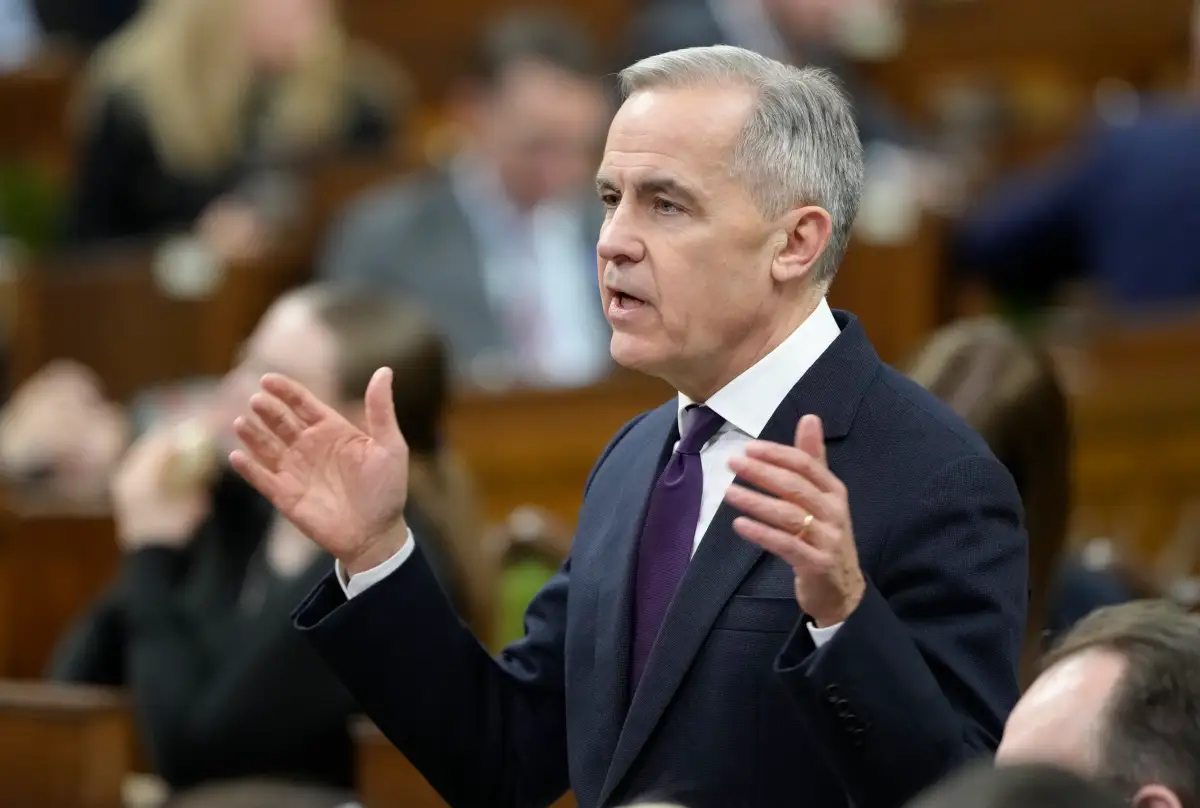
OTTAWA — The Supreme Court of Canada has issued a landmark ruling upholding most provisions of Quebec's controversial secularism law, which prevents certain categories of public-sector employees from wearing religious symbols at work, including the Islamic hijab, the Sikh turban, the Jewish kippah and Christian crosses.
The decision came on Friday, November 27, after years of court challenges to the law, known as Bill 21, which the Quebec government passed in 2019.
The court confirmed that the province properly used a constitutional provision that allows governments to override some rights set out in the Canadian Charter of Rights and Freedoms.
In his first comment on the ruling, Prime Minister Mark Carney pledged that his federal government would not use this clause, and affirmed its commitment to defending constitutional rights and freedoms.
The decision drew mixed reactions from provincial governments and rights organizations, amid questions about its effect on the future of freedom of religion and expression in Canada.
Which jobs are covered by the ban on the hijab and religious symbols?
Bill 21 prohibits some Quebec public-sector employees from wearing religious symbols while performing their duties.
The affected categories include teachers in public schools, school principals, police officers and judges, along with other employees in specified positions of authority.
The ban applies to visible symbols that express religious affiliation, including the Islamic hijab, the Sikh turban and the Jewish head covering.
According to the Quebec government, the law aims to entrench the neutrality of state institutions and separate public authority from religious practices.
Opponents argue that it imposes unequal restrictions on people whose beliefs require them to wear religious symbols continuously.
The ruling does not amount to a general ban on wearing the hijab in the streets, in public places or in all jobs in the province.
Court strikes down part of the law as it applies to legislators
Although it upheld most of the law's provisions, the Supreme Court refused to apply one of them to members of Quebec's National Assembly.
The decision concerns Section 8, which imposes restrictions on face coverings in certain circumstances.
The court found that applying it to elected members could violate the democratic rights guaranteed in Section 3 of the Canadian Charter.
It explained that these rights include citizens' right to run in elections and to take part in the work of legislative bodies.
The court thus left in place the core provisions concerning public-sector employees, while excluding application of the restriction in question to members of the National Assembly.
Carney pledges not to override constitutional rights
Prime Minister Mark Carney, speaking in Yellowknife, said his government will not use Section 33 of the Canadian Charter of Rights and Freedoms.
The provision is known as the notwithstanding clause.
It allows federal and provincial governments to apply certain laws even where they conflict with specified constitutional rights, for a period of up to five years, renewable.
Carney stressed respect for the independence of the judiciary and for Supreme Court decisions, saying his government's responsibility is to defend the Charter.
Federal Justice Minister Sean Fraser also said the government is carefully reviewing the ruling while respecting provincial jurisdiction.
Carney's pledge does not mean Bill 21 will be repealed. It concerns only his government's decision not to use the notwithstanding clause in its own legislation.
Muslim and rights organizations criticize the decision
The National Council of Canadian Muslims expressed disappointment with the ruling and warned of its consequences for equality and the rights of religious minorities.
The council's executive director, Stephen Brown, said the decision could allow restrictions to continue that prevent some citizens from working in certain jobs because of their religious practices.
The Canadian Civil Liberties Association also criticized the law remaining in force, saying the ruling raises questions about how effective constitutional protection of rights is.
The English Montreal School Board expressed disappointment after the court dismissed the challenge concerning the right of the English-speaking minority to manage its educational institutions.
These groups were among the parties that have challenged the law since it was passed in 2019.
Quebec government welcomes the landmark ruling
Quebec Premier Paul St-Pierre Plamondon welcomed the court's decision, saying it supports the province's ability to choose its own model of secularism.
He said that using the notwithstanding clause is a legitimate power of legislatures.
However, he expressed reservations about the court's affirmation that courts can issue rulings declaring that laws protected by the notwithstanding clause conflict with some constitutional rights.
Alberta Premier Danielle Smith, for her part, supported the confirmation that the constitutional clause can be used.
Manitoba Premier Wab Kinew welcomed the court's recognition that the judiciary continues to have a role in assessing whether laws are consistent with rights and freedoms.
These positions reflect differing views among the provinces on the relationship between legislative powers and the constitutional protection of individuals.
What does the ruling mean for Muslims and immigrants in Quebec?
The court's decision means that the core restrictions imposed by Bill 21 will remain in effect for the jobs it covers.
This may affect some citizens and residents who wear religious symbols and wish to work in public education or in other jobs covered by the law.
However, how the provisions apply depends on the nature of the job and on the exemptions and transitional provisions set out in law.
The court also confirmed that using the notwithstanding clause does not prevent the courts from examining whether legislation is consistent with the Charter, even when that legislation remains in force.
The ruling is an important constitutional development that extends beyond Quebec, because it clarifies the powers of Canadian governments to use the notwithstanding clause.
Follow Hala Canada for the latest news from Canada, every day.
More Canada


Latest from Hala Canada
- Two men charged after assault and shooting inside Brampton restaurant
- Canada recalls Cadbury chocolate, cheese, flour and beverages over undeclared allergens and contamination
- Netanyahu offers to step aside temporarily so Eisenkot can lead Israeli government first
- Masked man stabs person from behind on Scarborough trail, Toronto police say
- Canada considers restricting romantic relationships for diplomats in China and Russia over spying fears
- Canada beats Panama 4-0, qualifies for 2027 Women's World Cup and Los Angeles Olympics